
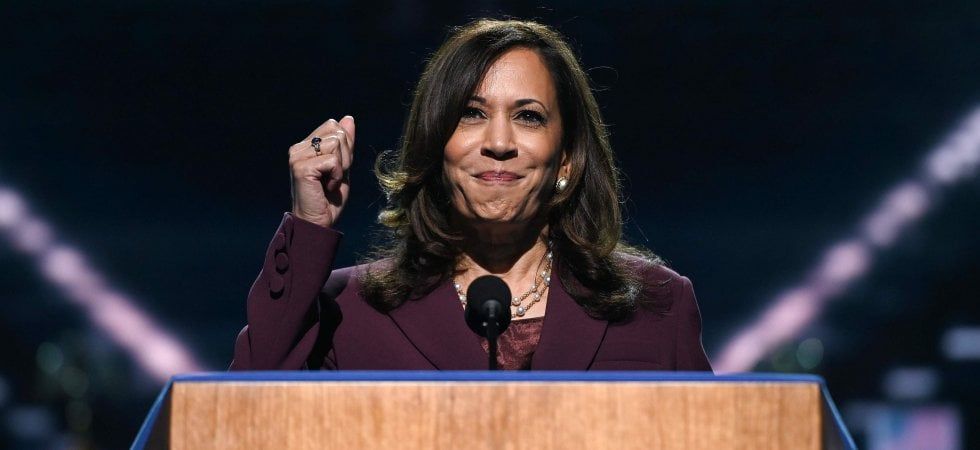
She’s the first woman to be vice-president and many in Washington believe she could one day be Potus.
When Kamala Harris stood on stage next to the president-elect Joe Biden on Saturday, it was a historic moment. Dressed in a white suit, with a nod to the suffragettes, the 56-year-old told the audience in Wilmington, Delaware, “I may be the first woman in this office… I won’t be the last.”
But who really is Kamala Harris?
In a rare interview last year, before she endorsed Joe Biden, Kamala Harris talked to Dana Goodyear, a famous American poet and journalist. During this interview, she talked about her past, her political career and some interesting info came out.

From the earliest days of her childhood, Kamala Harris was taught that the road to racial justice was long. She spoke often on the campaign trail of those who had come before her, of her parents, immigrants drawn to the civil rights struggle in the United States — and of the ancestors who had paved the way. As she took the stage in Texas shortly before the election, Ms. Harris spoke of being singular in her role but not solitary.
“Yes, sister, sometimes we may be the only one that looks like us walking in that room,” she told a largely Black audience in Fort Worth. “But the thing we all know is we never walk in those rooms alone — we are all in that room together.”
The child of immigrant academics, who divorced when she was young—her mother, a cancer researcher, came from India, and her father, an economist, from Jamaica—Harris grew up between Oakland and the Berkeley flats, but also spent time in college towns in the Midwest and a few years in Montreal, where her mother was teaching. She was steeped in racial justice issues from her early years in Oakland and Berkeley and wrote in her memoir of memories of the chants, shouts and “sea of legs moving about” at protests. She recalled hearing Shirley Chisholm, the first Black woman to mount a national campaign for president, speak in 1971 at a Black cultural center in Berkeley that she frequented as a young girl. “Talk about strength!” she wrote. In the past two years, Harris has been visible to the American public mostly through viral clips of her performances on the Senate Judiciary Committee. As a former prosecutor, she deploys an interrogation style that is impatient and knowing, almost amused, which became quickly famous among the prosecutors of all around the world. By the time she was forty, Harris—who got her start as a sex-crimes prosecutor in Alameda County—had been elected district attorney of San Francisco, the first woman and the first person of color to hold that position. In 2011, she became attorney general of California—again, first and first. Early on, when it became clear that Harris’s political trajectory was likely to take her beyond California, some in the media started referring to her as “the female Obama.” Weren’t both of them accomplished, telegenic, and biracial, with names they had to teach people to pronounce?
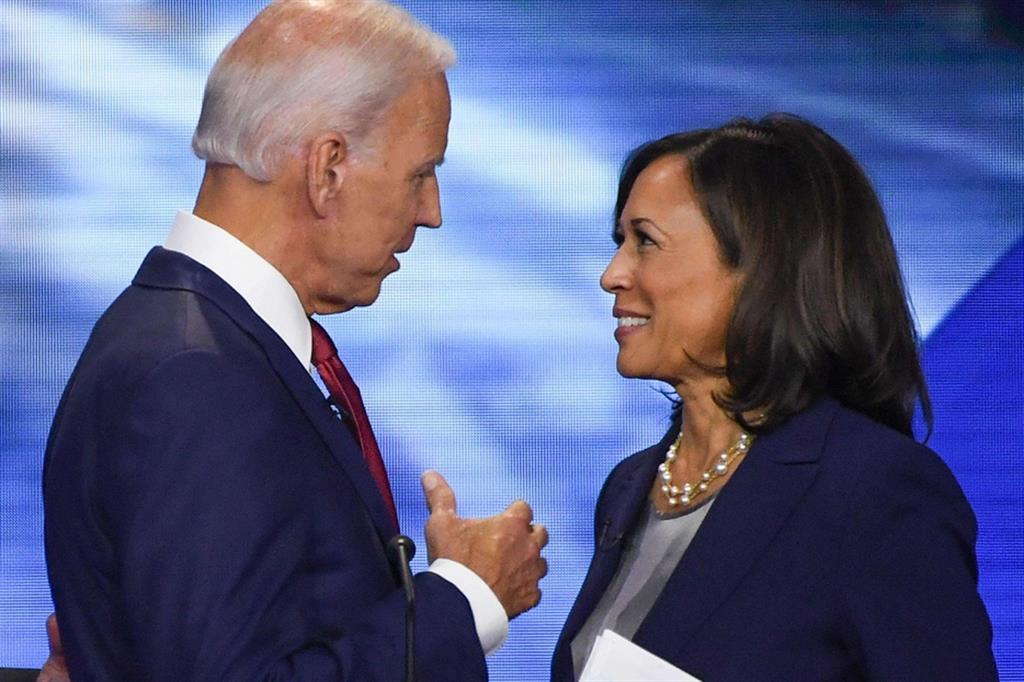
She won her Senate seat in the election that gave Donald Trump the Presidency. Now she is a leading contender in the Democratic effort to unseat him and she is finally achieving the spot she deserves with the hope that, as she herself said, she will not be the only one to fill this role.
Carlotta Inglese

 Galinews